
Introduction
Buying a plot is one of the biggest financial decisions in life.
Many people lose money because they do not verify documents, ownership, legal approvals, or future development plans before purchasing land.
This guide will help you understand everything you should check before buying any plot so that you can avoid scams, legal problems, and financial loss.
1. Verify the Ownership of the Plot
Before buying any land, the first and most important step is verifying who actually owns the property.
a. Things You Must Check->Owner Identity
Ask for:
Aadhaar Card
PAN Card
Passport size photo
Address proof
Ensure the seller’s name matches all property documents.
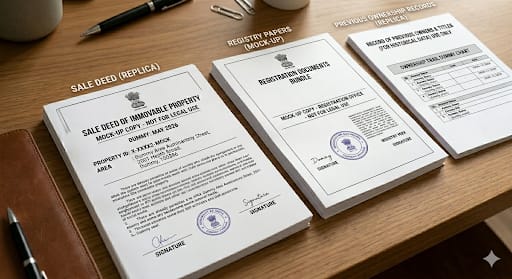
b. Original Registry Papers
Always ask for original documents.
Check:
Sale deed
Registry papers
Previous ownership records
Do not rely only on photocopies.
c. Chain of Ownership
Check who owned the land previously.
A proper ownership chain helps ensure:
No illegal transfer happened
No fake ownership exists
No family dispute exists
d. Mutation Records
Mutation means transfer of ownership in government records.
Verify:
Mutation certificate
Revenue records
Property tax records
e. Encumbrance Certificate (EC)
This document shows whether:
Loan exists on property
Legal dispute exists
Property is already mortgaged
Always ask for EC of at least last 13 years.
2. Check the Type of Land
Not every land can be used for building houses.
Types of Land
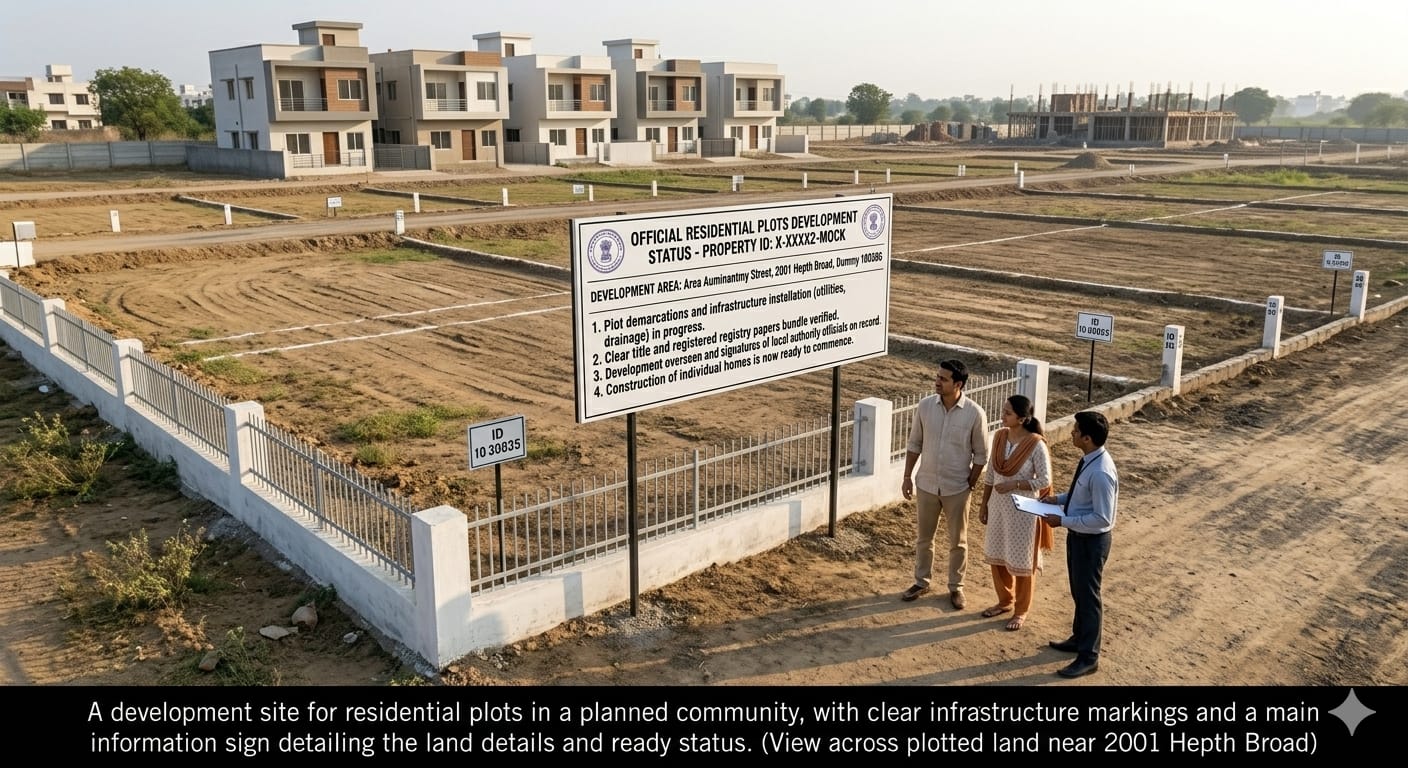
a. Residential Land
Used for:
Houses
Apartments
Residential buildings
Safest option for home buyers.
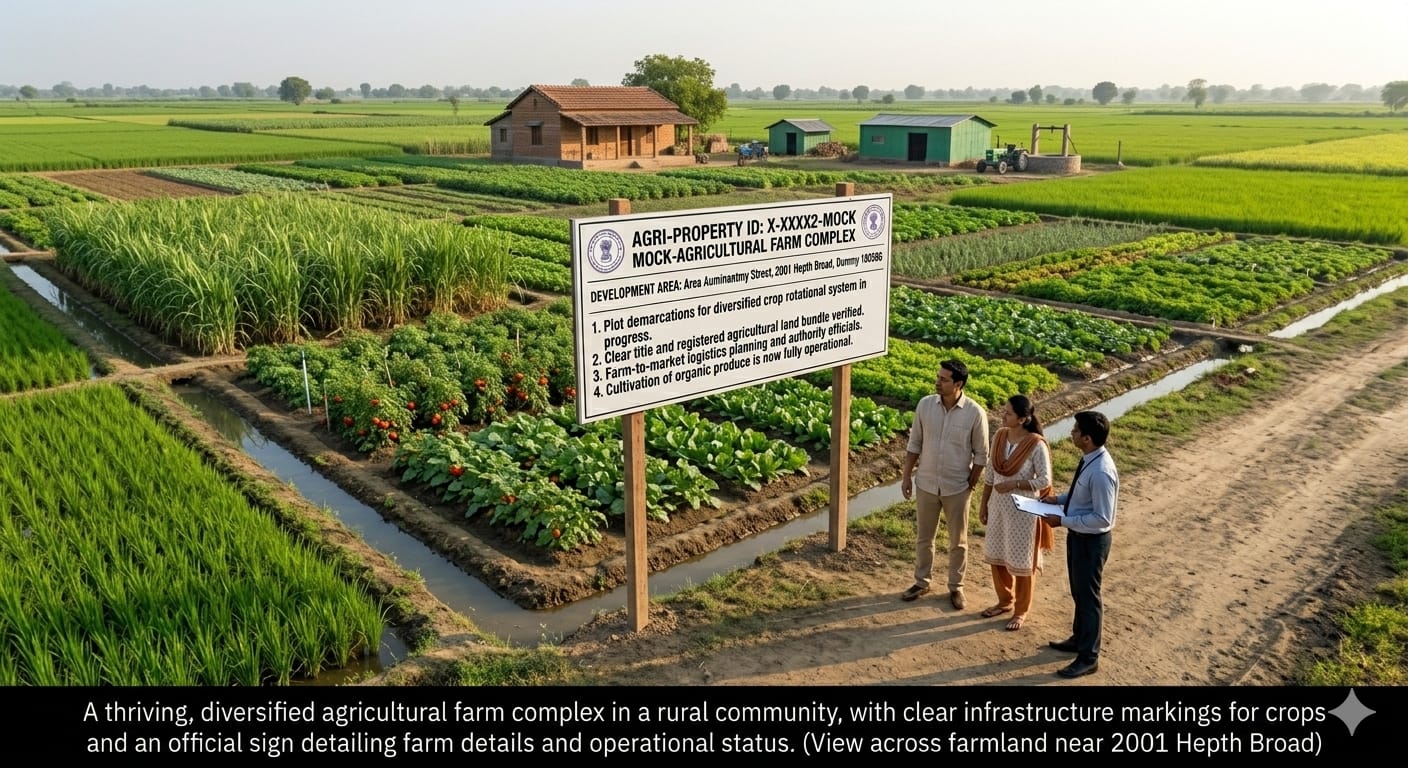
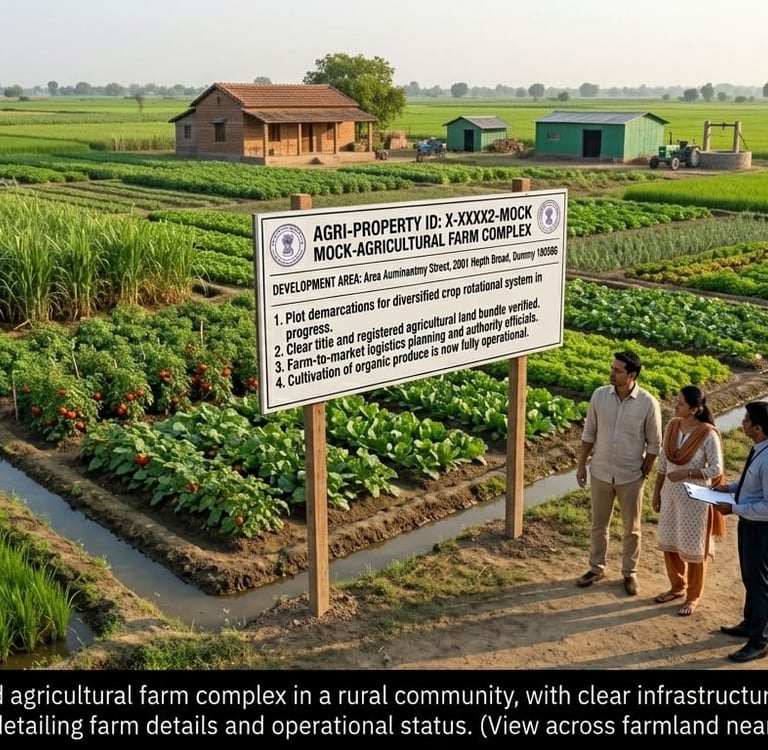
b. Agricultural Land
Used only for farming.
In many states:
Non-farmers cannot buy it
Construction is restricted
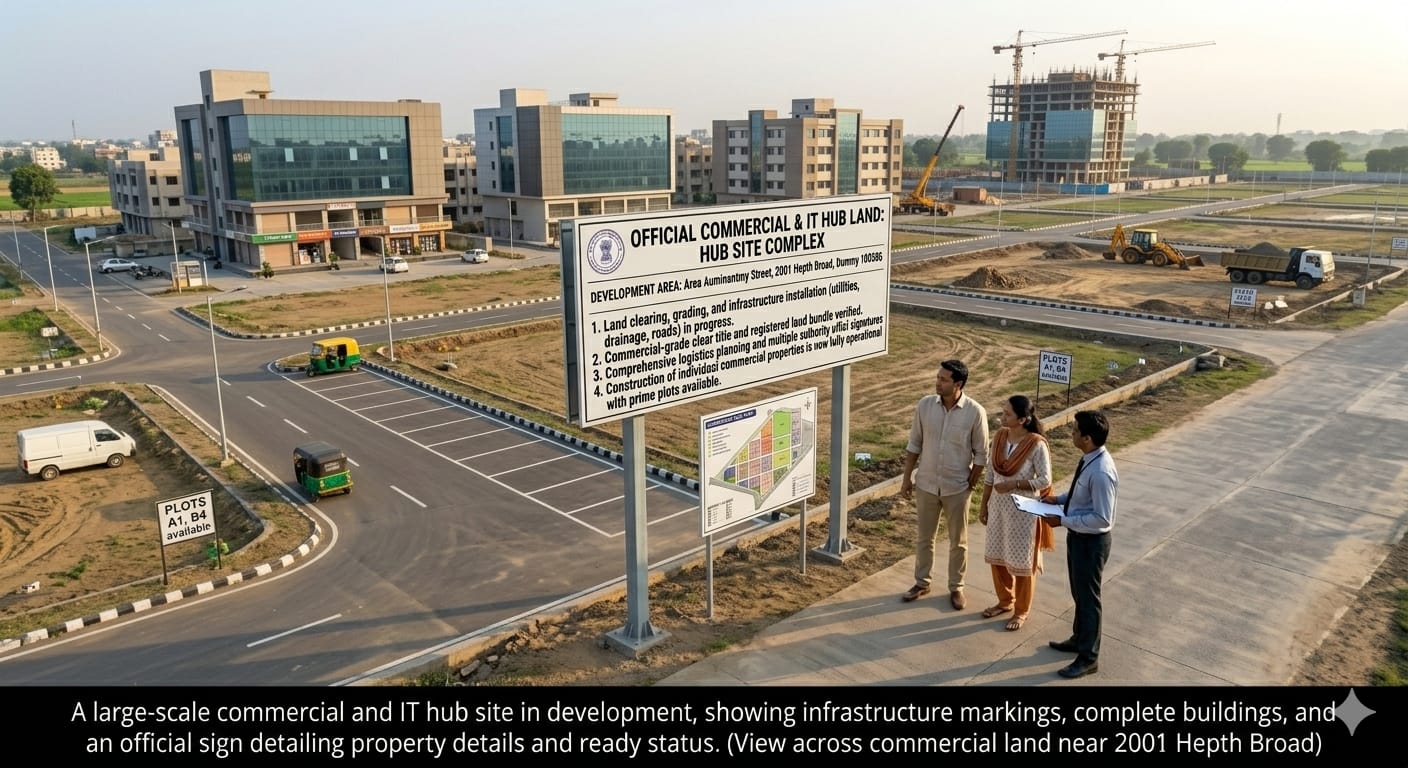
c. Commercial Land
Used for:
Shops
Offices
Malls
Businesses
Usually more expensive.
d. Industrial Land
Used for:
Factories
Warehouses
Manufacturing units
Why Land Type Matters
Buying wrong land can lead to:
Demolition notices
Construction ban
Legal penalties
Huge financial loss
Always verify land use from local development authority.
3. Check Government Approvals
Never buy a plot without checking approvals.
Important Approvals
a. RERA Registration
If the project is under RERA:
Buyer protection increases
Fraud risk decreases
Legal transparency improves
Check registration on state RERA website.
b. Layout Approval
Verify that:
Colony layout is approved
Roads are approved
Plot division is legal
Unauthorized colonies are risky.
c. Municipal Approval
Ensure:
Construction permission exists
Property falls under legal municipal limits
d. Environmental Clearance
Important for:
Large projects
Forest areas
Eco-sensitive zones
e. Road Access Approval
A plot without proper road access can create future legal disputes.
4. Check Plot Location Carefully
Location determines future value and convenience.
Things to Analyze
a. Nearby Roads & Highways
Good connectivity increases:
Property value
Future demand
Resale opportunities
b. Water Availability
Check:
Groundwater condition
Water supply connection
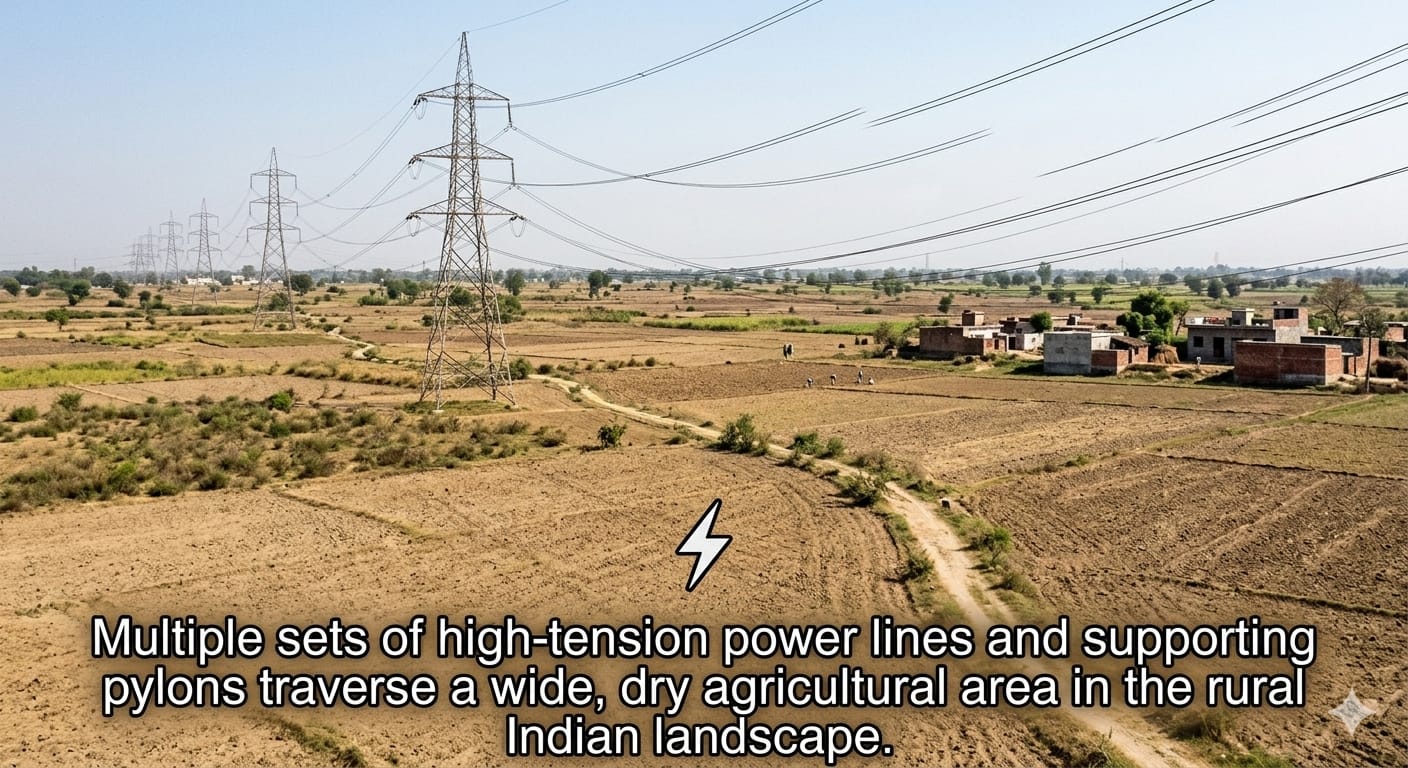
c. Electricity Availability
Ensure proper electricity connection exists nearby.
d. Nearby Facilities
Good plots are close to:
Schools
Hospitals
Markets
Public transport
e. Flood-Prone Area Check
Avoid:
Waterlogging areas
Flood zones
Low-level land
f. Future Development
Research upcoming:
Metro projects
Highways
IT parks
Industrial zones
Future development can greatly increase plot prices.
5. Check Legal Status of the Plot
a. Court Cases
Ensure no:
Legal dispute
Family dispute
Court stay order
b. Government Acquisition Risk
Some lands may be acquired by government in future.
Verify:
Master plan
Development authority notifications
c. Land Conversion Status
Agricultural land may require conversion before construction.
Always verify:
Conversion approval
Land use permission
6. Bank Loan Eligibility
Bank approval adds extra safety.
Why Bank Approval Matters
Banks verify:
Legal documents
Ownership
Approvals
Market value
If major banks approve loans on the plot, risk reduces.
Important Tip
If banks refuse loans:
Investigate carefully
There may be legal or approval issues
7. Hidden Costs in Plot Buying
Many buyers only calculate plot price.
But additional costs also exist.
Common Additional Charges
a. Stamp Duty
Government tax during registration.
b. Registration Charges
Mandatory legal registration fees.
c. Brokerage
Paid to property dealer or agent.
d. Development Charges
Builder may charge for:
Roads
Drainage
Electricity
Water supply
e. Mutation Charges
Ownership transfer charges in government records.
f. Maintenance Charges
Some gated societies charge yearly maintenance fees.
8. Physical Verification of Plot
Never buy a plot without visiting it physically.
What to Check During Visit
a. Boundary Verification
Ensure actual boundaries match documents.
b. Illegal Encroachment
Check whether:
Someone occupied land illegally
Boundary dispute exists
c. Soil Quality
Poor soil may increase construction cost.
d. Road Width
Verify actual road width matches approved layout.
e. Neighbourhood Quality
Check:
Safety
Cleanliness
Future growth potential
9. Common Real Estate Scams
a. Fake Ownership Scam
Fraudsters sell land they do not own.
b. Double Selling Scam
Same plot sold to multiple buyers.
c. Fake Approval Scam
Builders show fake government approvals.
d. Illegal Colony Scam
Plots sold in unauthorized colonies.
e. Encroached Land Scam
Land partially occupied illegally.
f. Power of Attorney Fraud
Fake POA used for illegal selling.
Always verify POA legally.
10. Documents Checklist Before Buying
Mandatory Documents
Sale Deed
Title Deed
Encumbrance Certificate
Mutation Records
Tax Receipts
Approved Layout Plan
RERA Registration
Identity Proof of Seller
NOC if applicable
11. Tips for Safe Plot Buying
Golden Rules
Never rush into buying
Verify every document
Consult property lawyer
Visit property physically
Check government approvals
Prefer bank-approved plots
Avoid verbal promises
Keep written agreements
12. Conclusion
Buying a plot is not just about location or price.
A smart buyer always verifies ownership, approvals, legal status, and future development before making payment.
Careful verification today can save you from huge financial and legal problems in the future.
Always:
Verify documents
Check approvals
Visit property physically
Take legal advice when needed
A safe property investment is a smart investmenWrite your text here...